
How Pacific Trade Winds are Affecting Southeastern Gardeners
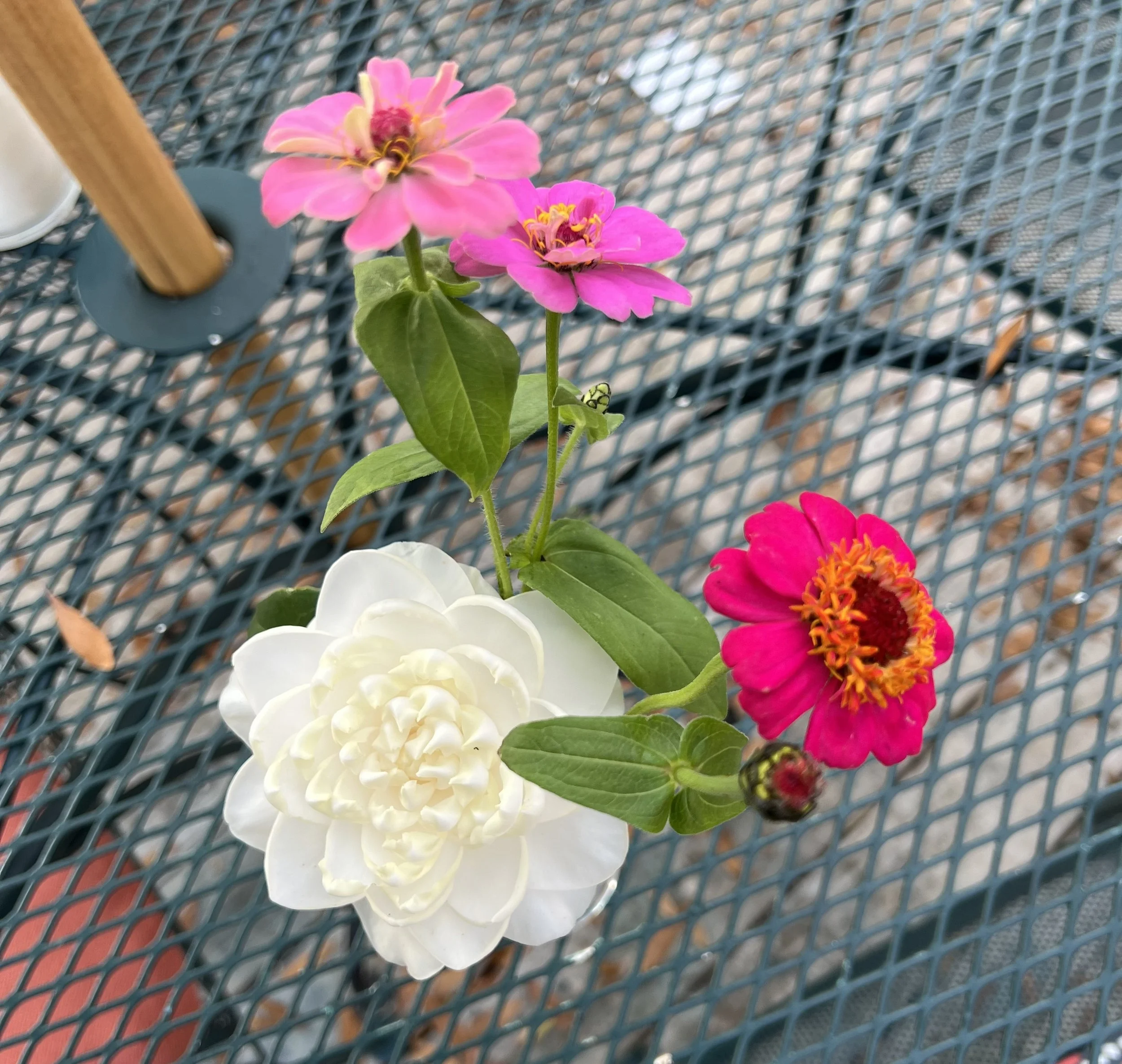
North Florida winters are mercurial, and they have no small effect on the gardening season. There's no questioning that. Last January 22nd, we awoke like wide-eyed children to a winter wonderland. Meanwhile, it's January eighth as I write this, and I have zinnias blooming alongside camellias. To understand why this is happening, we can look to a pair of complex weather patterns that we've all heard of: El Niño and La Niña, little boy and little girl, respectively, in Spanish.
These two little ones represent opposing climate patterns that occur at different times. Every two to seven years, one of them breaks the normal pattern of trade winds and shifts our weather. The shifts in weather can be drastic and far-reaching, with various effects on the garden. So, what causes these patterns, and what can we learn about the gardening season from our current position within them? Let’s break it down and discuss how each alters the season and where we are in the cycle right now.
El Nino
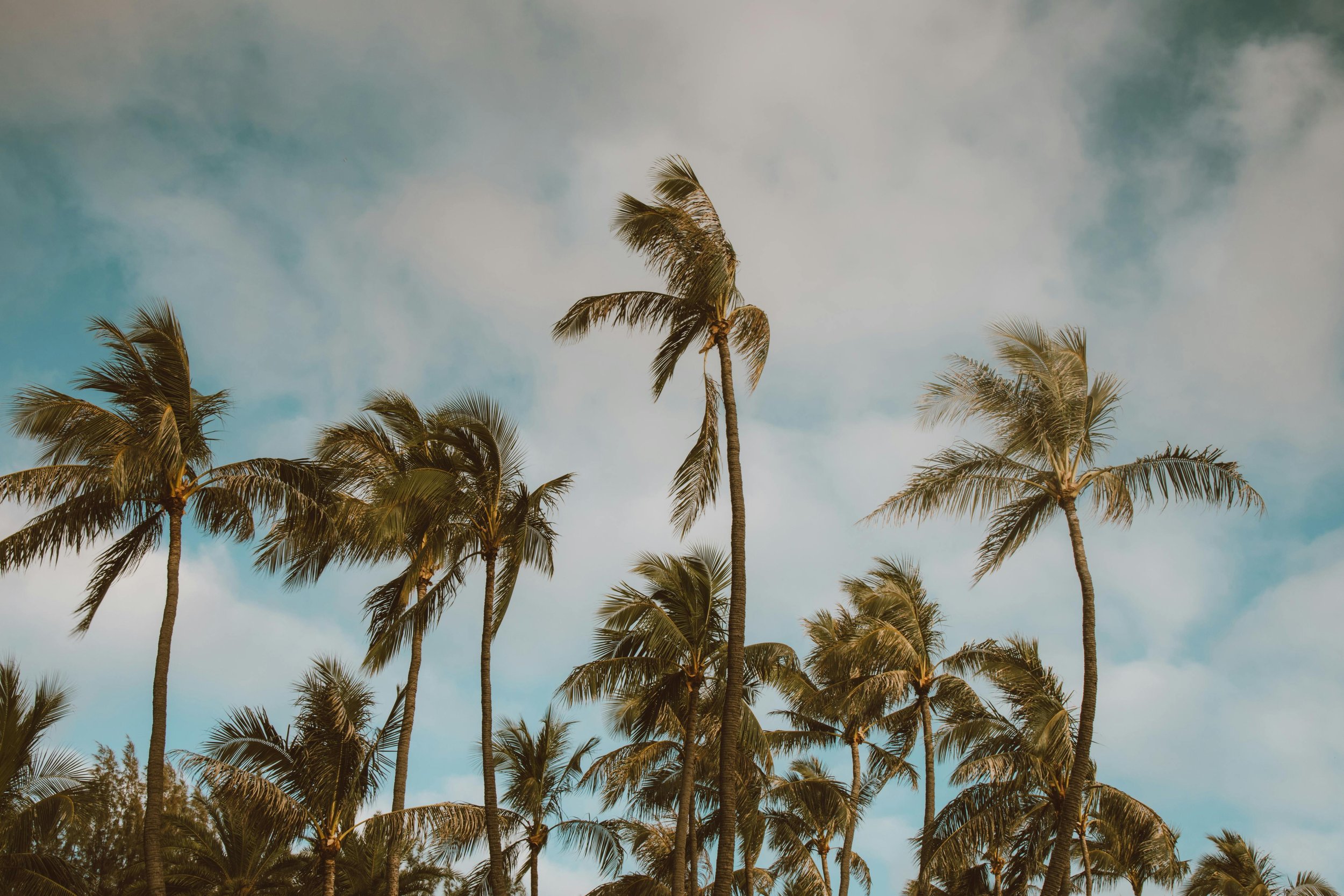
Weakening Pacific trade winds cause El Niño years. South American fishermen recognized the pattern as early as the 1600s, noting periods of unusually warm water. They also noticed that fishing was negatively impacted during these periods. We now know that weakening trade winds prevent cold water from rising to the surface in the Pacific Ocean.
For the modern-day seafood industry and anyone who likes to deep-sea fish, this is an unfortunate occurrence. The colder water pushing up from the lower reaches brings plankton and other nutrient-rich foods to the fish in warmer waters, so during El Niño, there is less food available to them.

For the Southeast as a whole, it means more extreme temperatures in both summer and winter. During these years, we see colder, wetter winters and warmer, drier summers across most of the Southeast. The warmer jet stream shifts downward, which means more summer rain for the Gulf Coast states and less northward propagation of those storms.
Though the Gulf Coast sees plenty of summer rain, the shifted Gulf Stream pushes fewer intense storms northward toward the U.S., which is good news for all of us. Between 1900 and 1983, only 16 of 54 major hurricanes occurred during an El Niño year. A ratio of 1:3 if you consider the frequency of this pattern on the whole.
How El Niño Affects the Garden
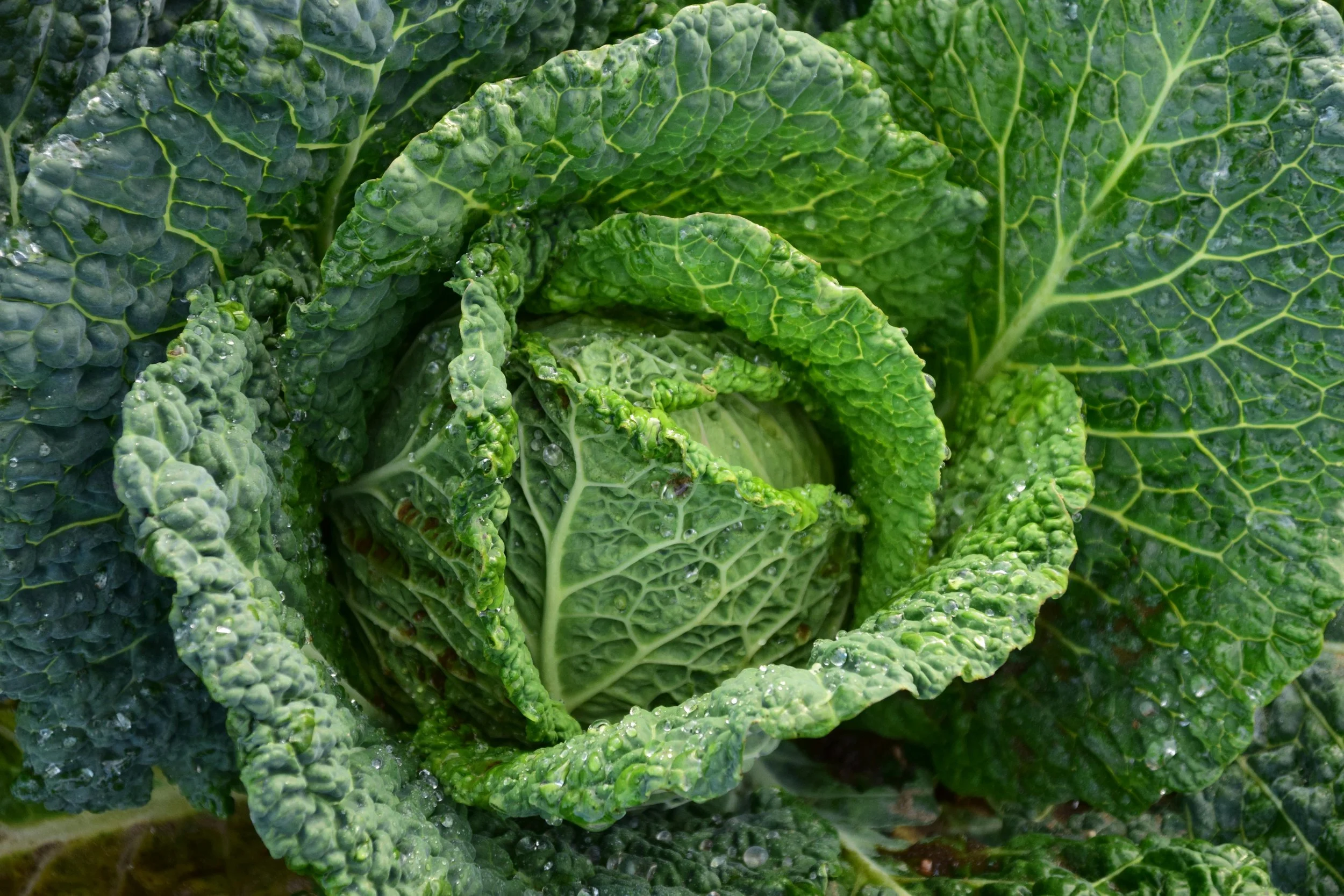
El Niño's wet winter weather can cause a handful of gardening issues. Where I live, in North Florida, the gardening season doesn't end in November. We can grow many things throughout the winter, like brassicas, leafy greens, and root vegetables.
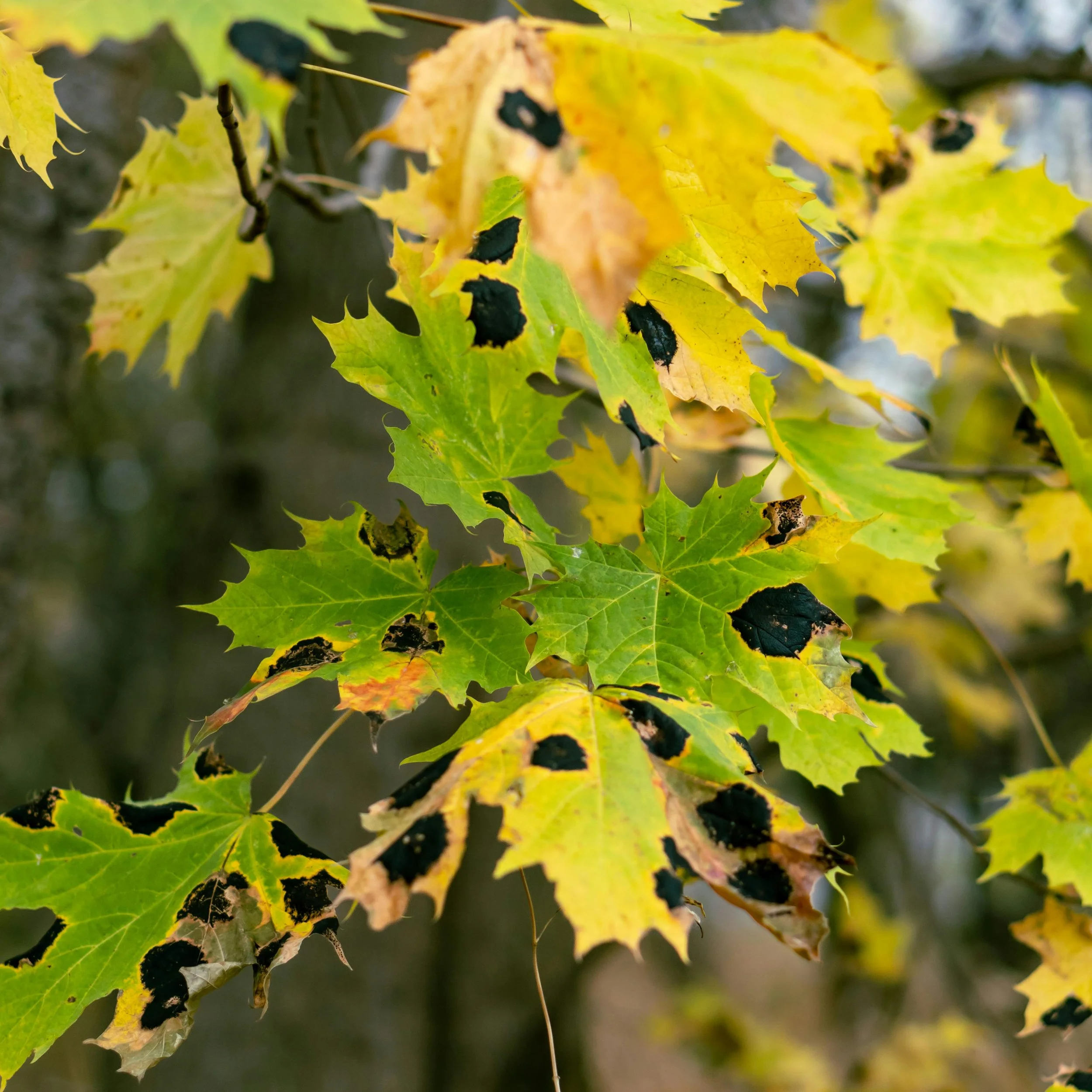
In an El Niño winter, we can expect a higher incidence of fungal diseases through the cooler months. More rain and lower temperatures keep the garden damp more often than not. You may see more erosion during these periods, and the added rain can leach nutrients from the soil.
The cooler temperatures and frequently overcast skies can slow down your fruit trees, as well. They may bloom and fruit later, with slower development. For fruit trees that need higher chill hours, the cold is ideal. You may see a better season for your blueberries, peaches, strawberries, and apples.
El Niño winters often involve late-season freezes. This has a negative impact on tropical plants, particularly tropical fruits. Your citrus, papaya, avocado, and mango trees will need extra care during these periods. Make sure to mulch heavily and, if possible, cover these plants during a freeze.
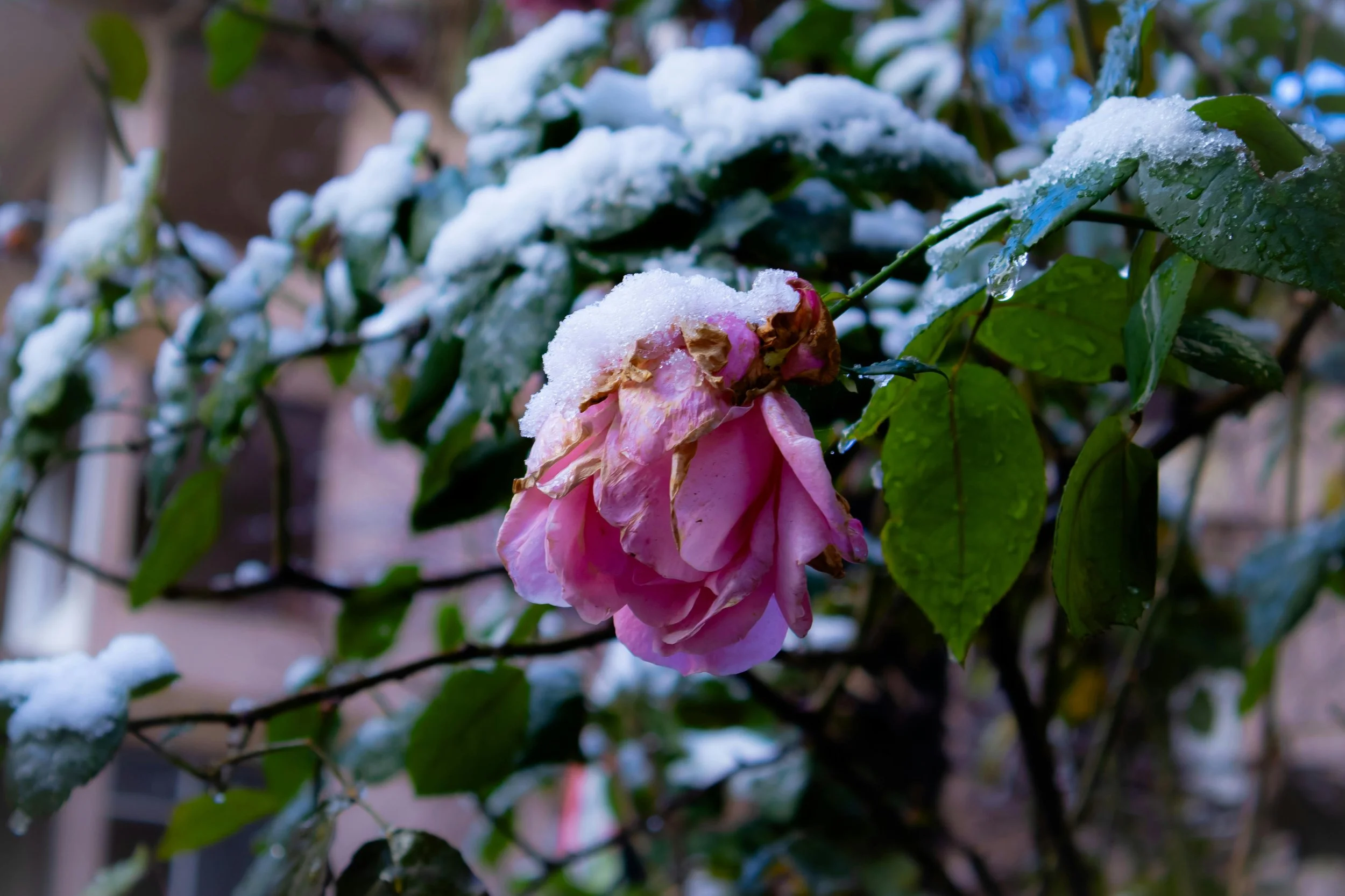
Because of reduced summer rainfall, El Niño can slow plant growth. This often results in lower yields from veggies like tomatoes and peppers. Pests and diseases will be more prevalent, so you'll need to be hyper vigilant in that department. Make sure you irrigate consistently during these summers, or you will probably end up with splitting in tomatoes and other vegetables.
Along the Gulf Coast, El Niño summers are good for growing in most respects. We typically get ample rain to combat the warmer temperatures. Humidity will be higher, however, so keep an eye out for fungal diseases and give your plants space. Thin out the interior of shrubs and trees with dense foliage to allow for increased airflow.
La Nina
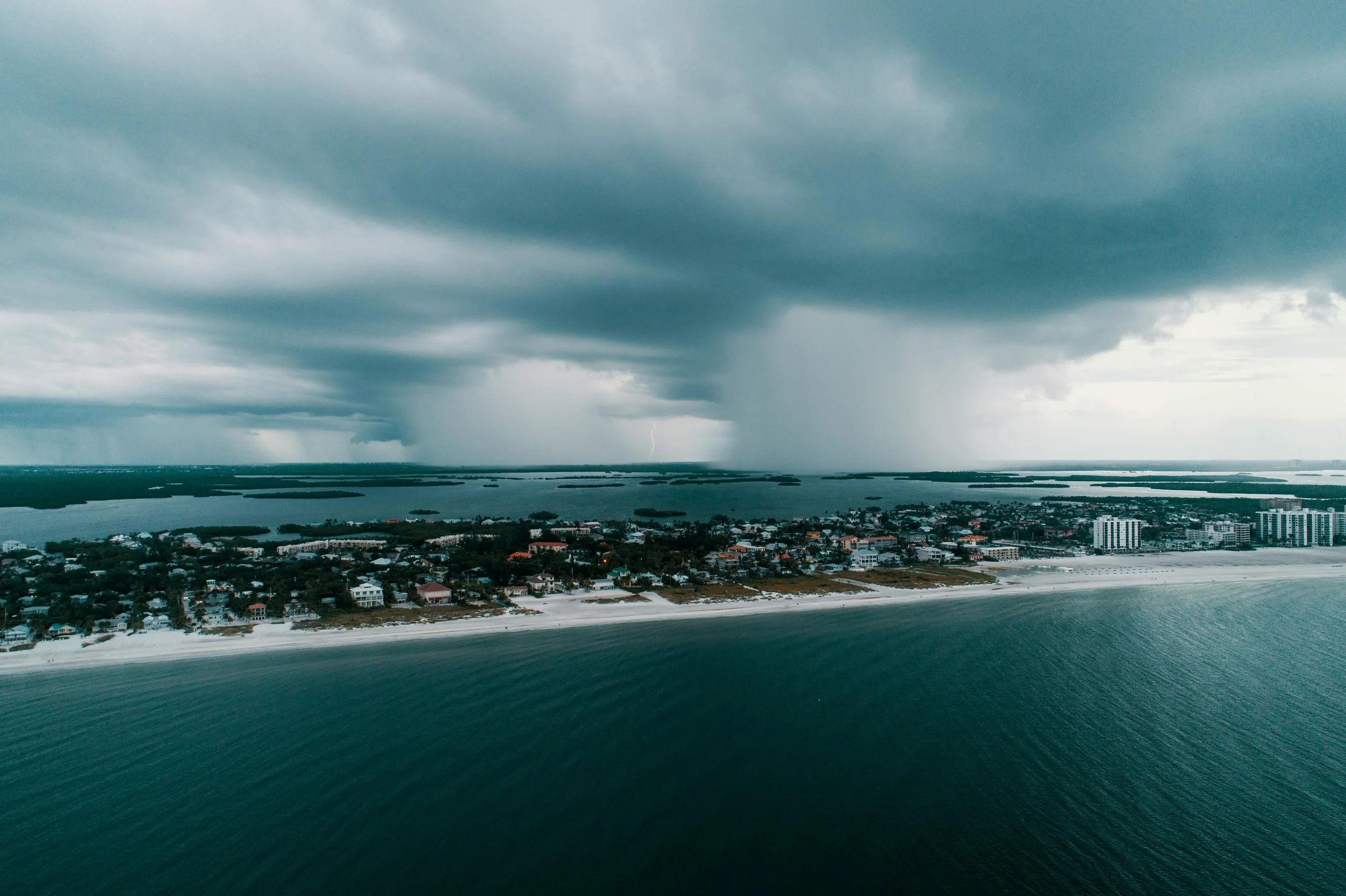
La Niña is a different story. As a result of stronger trade winds, this little lady brings us a more turbulent storm season. The stronger winds tend to shift the jet stream northward. This pushes tropical cyclones toward the Gulf Coast and Southeastern states in general. Consequently, she also brings milder winter weather to the Southeast. La Niña winters are most often dry and temperate. We are in one of these right now. Many of my Zone 10 plants that typically die back to the roots still have leaves on them presently.
The difference in the number of actual storms during La Niña and neutral years is insignificant. However, the movement of those storms is not. The Gulf Coast sees fewer differences between these and neutral years, but the East Coast is a different story. During La Niña years, we see twice as many hurricanes make landfall along the East Coast as during neutral pattern years.
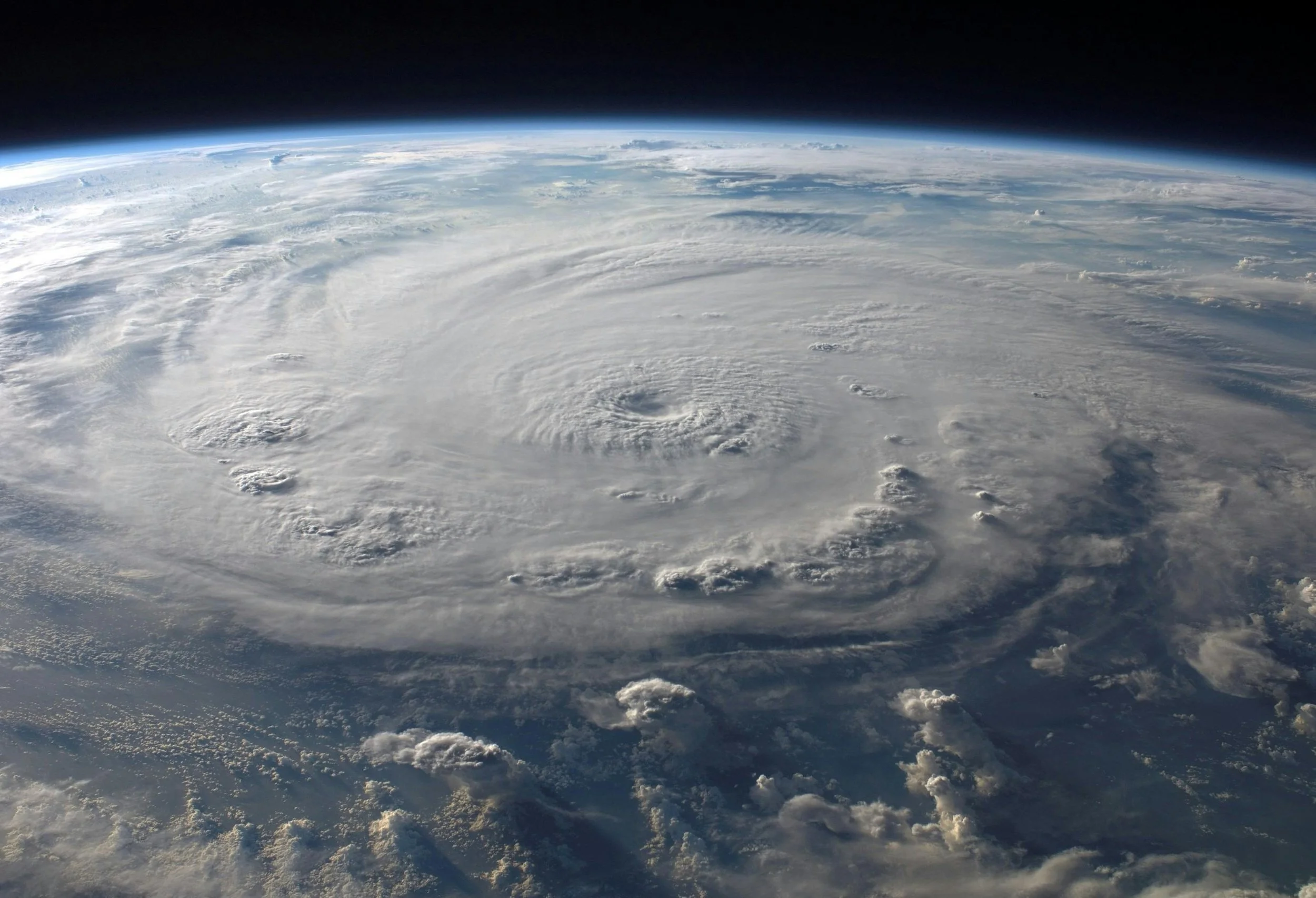
An additional factor I want to bring up, before I go further, is the frequency of each pattern and how long they last. While neutral patterns can last from two to seven years, El Niño patterns typically last only one year but occur more frequently. La Niña can be stubborn; she crops up less frequently, but lasts from one to three years.
How it Affects the Garden
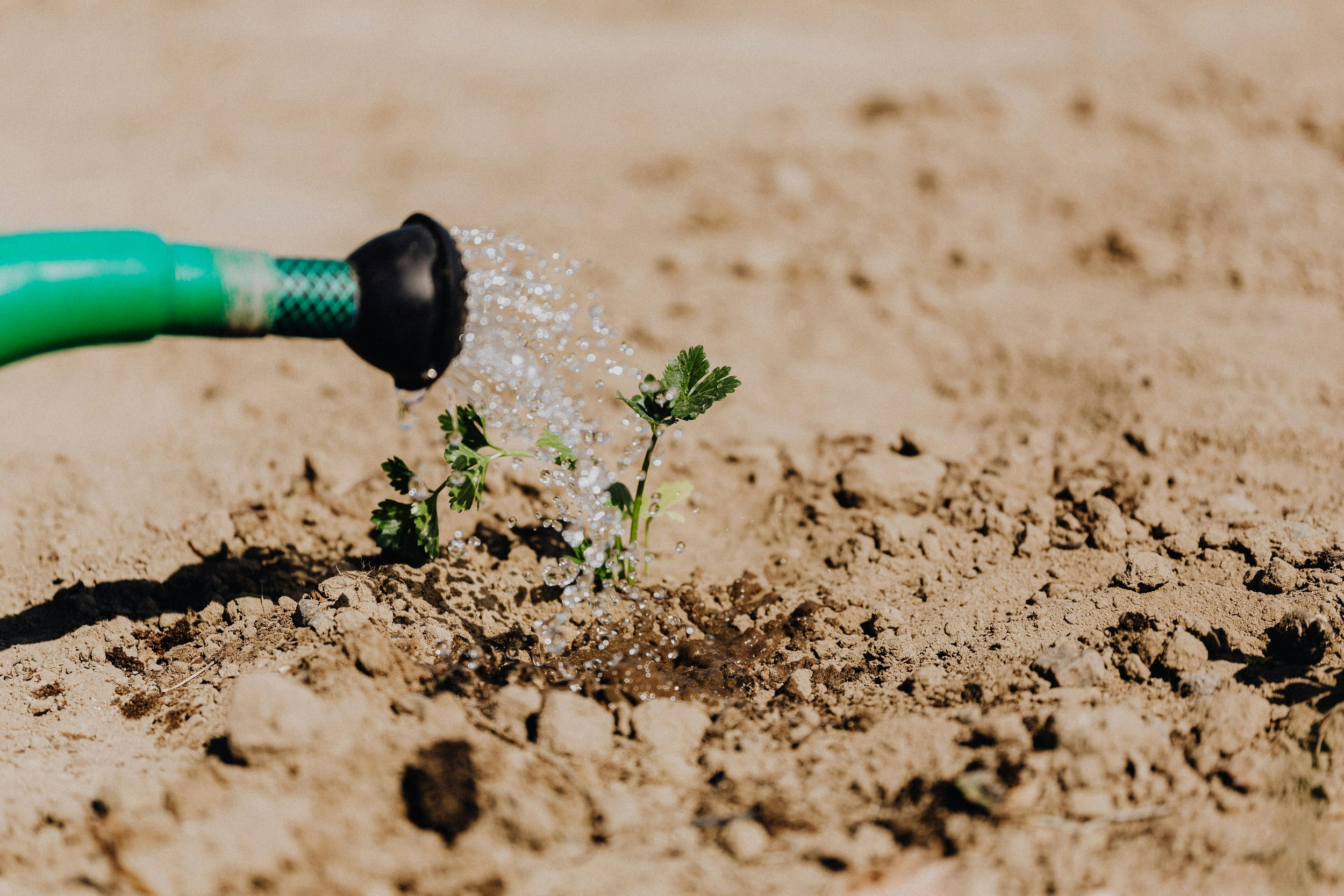
Warmer, drier weather characterizes the La Niña winter in the Southeast. Early-season drought means your winter veggies are off to a slow start. It's important to focus on irrigation if you want a decent harvest. Because of the higher-than-average temperatures, pests linger in the garden longer and may appear earlier in the spring.
The warm La Niña winter weather is presently causing my lettuce to bolt, which I'm not thrilled about. The lack of frost means that your leafy greens won't be quite as sweet. Freezing triggers a mechanism in those plants that converts starch into sugar. You might notice that your greens are a bit bitter this year. Between the battle with late-season pests and a lack of water, La Niña winters are hard on the garden.
La Niña doesn't mean consistently warm weather, however. That would be too easy. Instead, she brings periods of warmth, punctuated by quick cold snaps. The fluctuations in the freeze-thaw cycles can wake dormant plants up early. This results in frost damage if a late cold snap occurs.
The drier weather often continues through the summer months. Pests will be at an all-time high due to the mild winter. Fortunately, fungal diseases will be less of a problem, but this will come at the cost of increased irrigation needs. High heat, drier conditions, and more wind and storm activity are all hard on the garden. Since a La Niña year often includes all of these, they tend to be frustrating for gardeners.
Where Are We????
Looking at weather patterns over the past two years, early 2024 marked the end of an El Niño year. We shifted to a La Niña pattern and saw an active hurricane season. In total, we had 18 tropical cyclones, five of which turned into major hurricanes (Cat 3+).
The La Niña weather we experienced continued through 2024 and shifted to a more neutral pattern last winter. 2025 was a typical summer in most respects. Then, she made a subtle return in the fall. As a result, we are having a mild, drier-than-usual winter.
The National Weather Service predicts a true end to the La Niña pattern as we move into 2026. They foresee a neutral year ahead. This means less predictable weather patterns; however, we should see a return to more 'average' weather and temperatures for the region.
Global weather patterns have become less predictable over the past few decades. Climate change is bringing these events closer together and making the intervening periods shorter. The possibility of an extended La Niña is low, but El Niño could be lurking just around the corner. For now, let’s assume we are entering a more neutral season and discuss what that means for the garden.
Anticipate Joyfully
I've heard it said that we should anticipate joyfully, or not at all. When it comes to the garden that doesn't always have great results. Knowing how to prepare for a La Niña or El Niño year can make a big difference in the garden's overall health. That is a conversation for another day, and one I will certainly come back to.
For now, we have a neutral spring to look forward to, in all likelihood. As long as we don't get a sudden cold snap late in the season, we should have a productive spring. You'll need to keep a close eye out for fungus and be vigilant about pests, as the mild winter won’t stifle them as drastically.
Mosquitos are likely to be a real pain this year. I highly recommend investing in a rechargeable Thermacell or other metoflurin device to keep yourself out of the biting zone. I’ve read some concerns about this chemical, and it’s certainly dangerous to ingest. However, studies show that the concentrations of most repellent products are safe for humans and animals. It’s also safe for pollinators and other beneficial insects.
If you haven't already, it's a good idea to spray your fruit trees with dormant oil. This will suffocate overwintering pests and help moderately with fungal diseases. Dormant oils aren't highly harmful to humans, wildlife, or beneficial insects. Once the plants flower, though, it's best to avoid them because they can disrupt early pollinators.
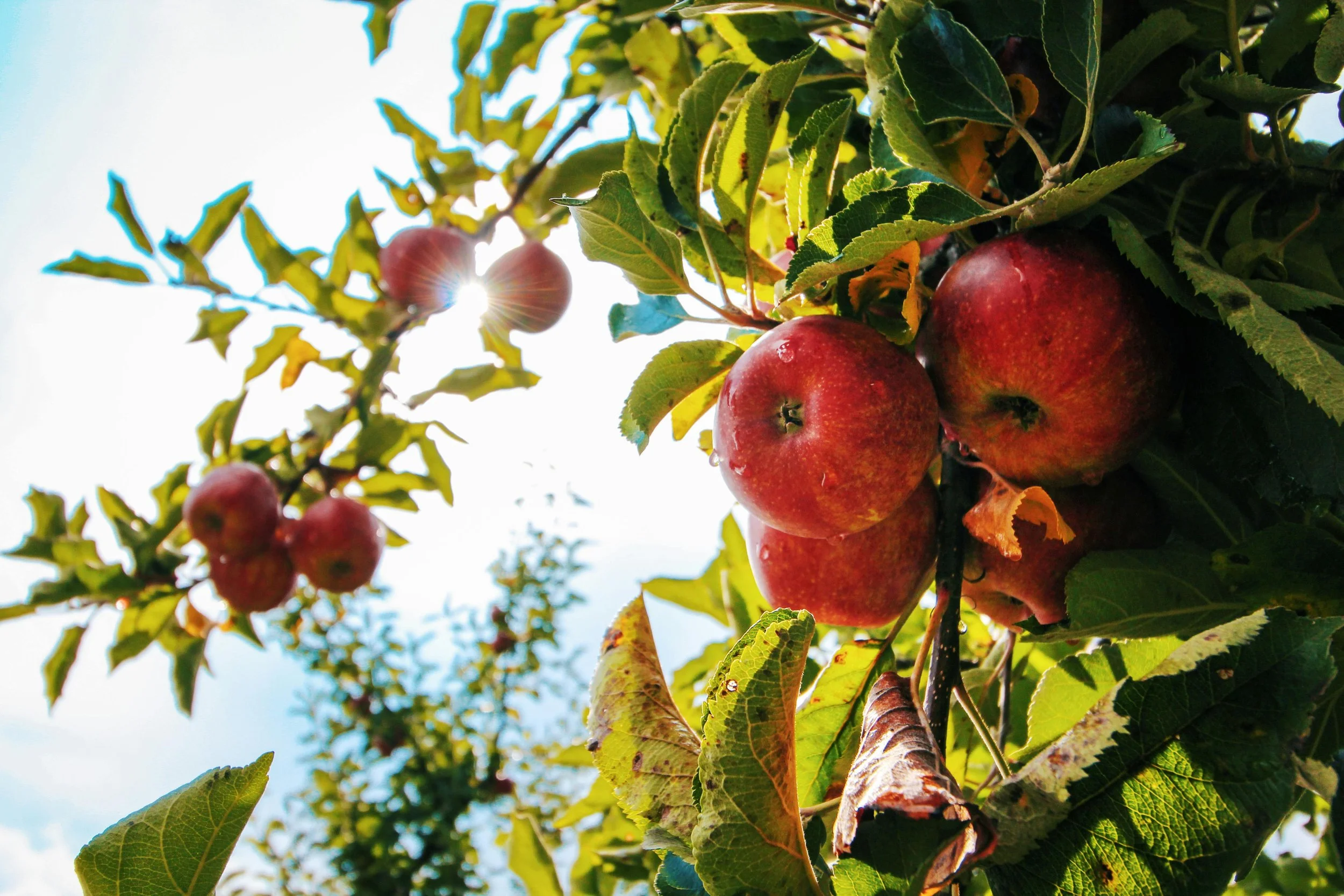
If it looks like a cold snap is on the horizon, cover your more frost-tender plants with frost cloth or burlap. Some of your larger flowering trees, like Japanese magnolias, may flower earlier this year. A late frost is likely to knock out some blooms. I’m seeing a scattering of blooms on mine, so hopefully the rest of the buds will stay tightly closed until the last frost date.
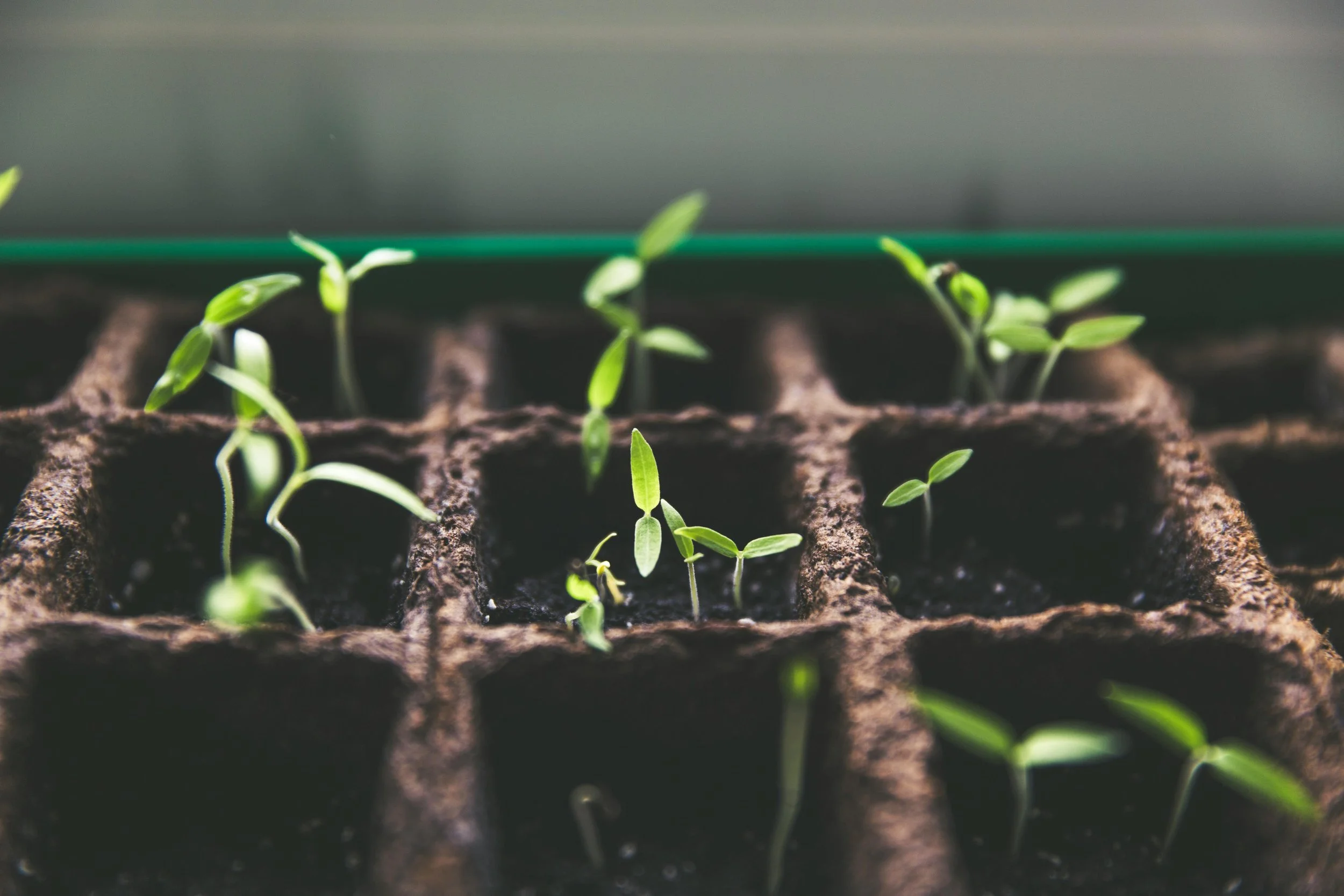
If you want to err on the side of caution, delay your spring planting by a few weeks. You can start your indoor seeds any time, but hold off on directly sown crops and frost-tender annual flowers. We are likely to have a fabulous season for snapdragons, pansies, poppies, and other frost-tolerant flowers.
Expect to see a less-than-spectacular showing from spring bulbs this year. The decrease in chill hours means that these won't perform as well. Your fruit trees that need those hours are also likely to underperform.
With a more neutral pattern expected this year, it's difficult to predict the weather with much certainty. All we can expect is that temperatures and rainfall should fall within or around the average range.
If we have a wet summer, fungal diseases and root rot will need to be the main focuses. If it turns out to be drier, mulching will go a long way toward maximizing the added irrigation you'll need to keep things growing. Chances are strong that we are heading into a warm, slightly drier summer. But don’t count El Niño out for 2026, the NWS predicts a 75% chance of a neutral shift… but one in four isn’t terrible odds.
